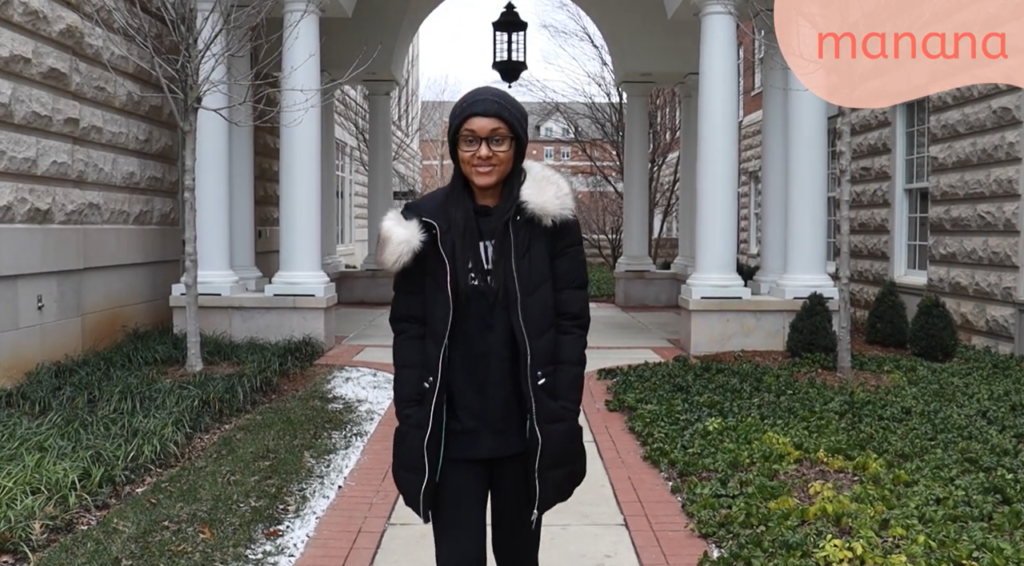
From the Founder
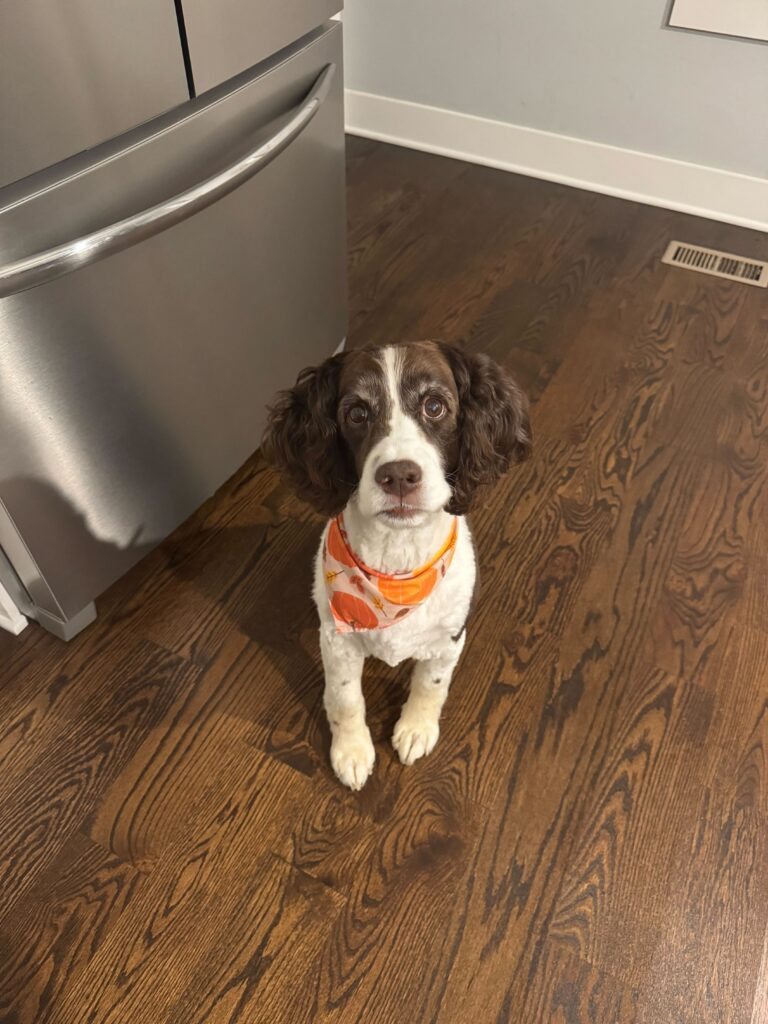
In early December, I received an email about a dog named Lucy who had been relinquished to the county shelter in Clarksville. When I arrived, I learned she had been given up by an older gentleman who could no longer care for her. From the moment I met her, it was clear Lucy wasn’t neglected. She was calm, gentle, and deeply familiar with the comfort of a home. She had been loved.
I volunteer with English Springer Rescue of America and regularly foster dogs, so I’m familiar with dogs coming from uncertain or difficult situations. But this was the first time I encountered a dog that was surrendered specifically because her owner was aging and could no longer manage her care. That distinction mattered. Lucy wasn’t coming from indifference. She was coming from love constrained by circumstance.
When Lucy came into my care, I noticed her fur was yellowed. At the vet, I asked why. The answer was devastating. The discoloration wasn’t medical. It was from urine. The vet explained that Lucy had likely been so frightened in the shelter that she cornered herself and urinated on herself. Hearing that shifted something in me. I couldn’t stop thinking about how suddenly her world must have changed from the safety of a familiar home to a loud, unfamiliar environment with no understanding of why her person was gone.
Lucy’s story stayed with me, not just because of what she endured, but because of why she was there in the first place.
Barriers to Aging in Place: Rising Costs and Difficult Decisions
For many older adults, these moments don’t arrive all at once. They build quietly. A task that used to be easy becomes harder. Routines start slipping. Finances feel tighter. And asking for help feels overwhelming. According to the National Council on Aging, nearly half of older adults in the United States have incomes below what is needed to cover basic living expenses independently, putting millions at risk of economic insecurity.
At the same time, the cost of care continues to rise- for people and pets alike. According to AARP, the cost of home-based care has increased faster than overall inflation, with full-time in-home support often exceeding what many older adults can afford on a fixed income. Additionally, the Wall Street Journal suggests the financial commitment of owning a pet includes an upfront cost over $1,000 and an ongoing cost of $1,400, on the low end of the respective ranges.
When pressures like these stack, rising living costs, shrinking savings, and increased need for daily support, people are forced into impossible decisions. Not because they don’t care, but because deep care without support can simply become unsustainable.
This is the part of aging we don’t talk about enough.
Protecting Dignity and Preserving Relationships as we Age
At Manana, we spend a lot of time listening to stories like these, from older adults, from families, and from communities trying to support people who want to remain independent but need help in very specific, very human ways. Lucy reminded me that care isn’t about checklists or services alone. It’s about dignity. It’s about preserving relationships and protecting the pieces of life that bring comfort and meaning, whether that’s a morning walk with a dog, a meal shared with a neighbor, or a sense of calm in a familiar living room.

Lucy’s story has a happy ending. She was adopted by a wonderful couple in North Carolina, where she now has stability, affection, and the safety she deserves. Knowing she landed exactly where she needed to be brings real comfort.
And I carry her story with me as a reminder of the quiet courage in both those who age and those who care for them, and of how fragile the line can be between managing and not. Lucy reminds me why building more compassionate, flexible support systems isn’t optional; it’s essential.
May we all find the care and the community we need to keep the things we love close.
Sincerely,
Fatima K.
Manana Founder
If you’re navigating the challenge of caring for a loved one, or simply need reliable backup when life gets hectic, know that Manana is here to help.
Have questions? Call (615) 212-9609 or Send Us A Message