Every May, we recognize National Speech-Language-Hearing Month, a nationwide initiative dedicated to raising awareness around communication health, something many of us take for granted until it changes.
Originally established in 1927, and later expanded by the American Speech-Language-Hearing Association (ASHA), this month is about more than awareness- it’s about early detection, access to care, and helping people stay connected to the world around them.
The Numbers Behind Hearing & Speech Loss
Hearing and speech challenges are incredibly common and often increase with age. According to the National Institute on Deafness and other Communications Disorders:
- About 15% of U.S. adults report some level of hearing difficulty
- Hearing loss is most prevalent in adults over 60, making age the strongest predictor
- Nearly 20% of adults experience communication-related challenges (hearing, speech, or language) at some point in their lives
Left unaddressed, hearing loss can impact relationships, independence, and even long-term cognitive health.
This is exactly why this month exists: to encourage people to pay attention early instead of waiting until communication becomes a daily struggle.
When Should You Start Thinking About Hearing Health?
Most people wait longer than they should.Experts often recommend getting a baseline hearing test around age 50, or earlier if you notice signs like:
- Asking people to repeat themselves frequently
- Struggling in noisy environments
- Turning up volume higher than others prefer
- Feeling fatigued after conversations
Even mild hearing loss can gradually affect how you engage socially and professionally, which is why early awareness is key.
How to Find the Right Hearing Aid (Without Feeling Overwhelmed)
If you or a loved one is starting to explore hearing support, the process can feel intimidating, but it doesn’t have to be. Here’s a practical way to approach it:
1. Start with a Professional Evaluation
An audiologist can determine the type and severity of hearing loss and guide options. Many people skip this step and go straight to products, which often leads to frustration.
2. Understand Your Lifestyle Needs
The “best” hearing aid depends on how you live:
- Do you attend a lot of social events or dinners?
- Are you often on calls or in meetings?
- Do you prioritize discretion or ease of use?
3. Prioritize Fit and Comfort
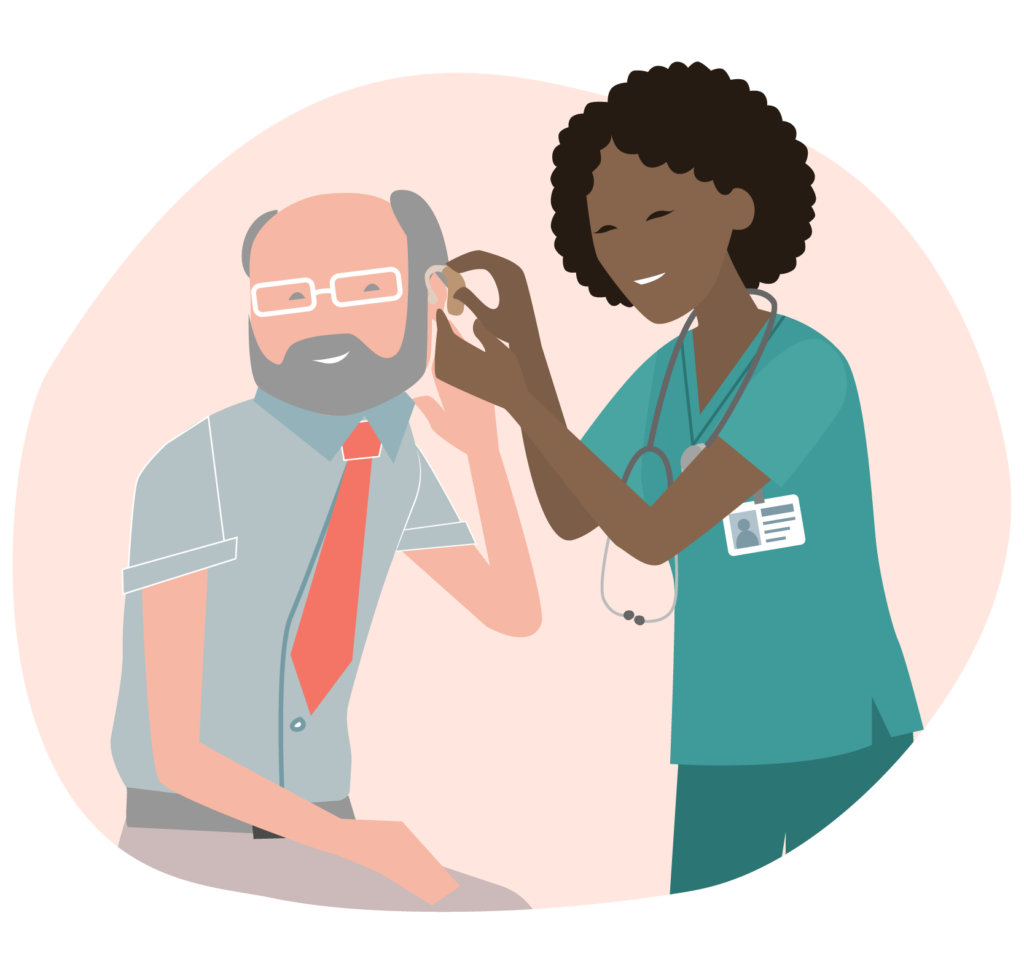
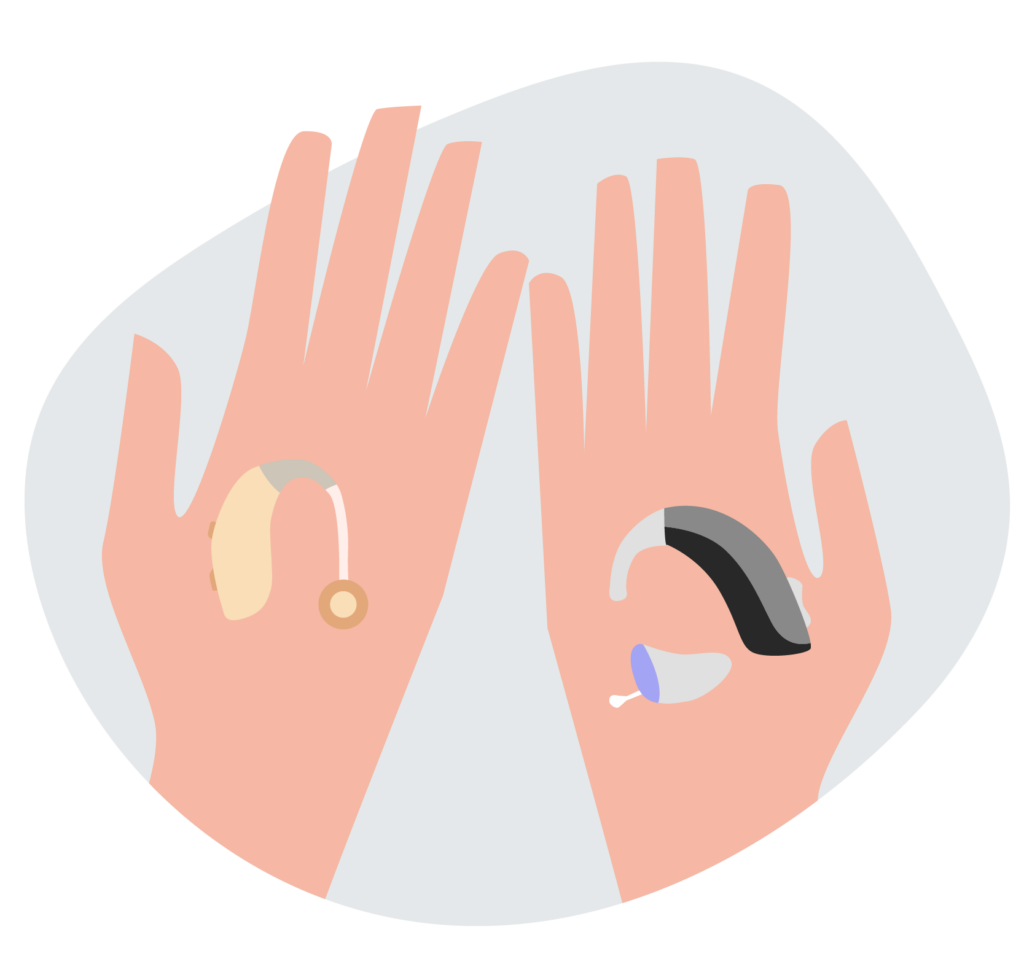
Hearing aids aren’t one-size-fits-all. The right fit can dramatically improve your experience and consistency in wearing them.
4. Give Yourself Time to Adjust
Many people underestimate this part- your brain needs time to relearn how to process sound. Consistency matters more than perfection early on.
How to Support a Loved One with Hearing Challenges
If someone close to you is experiencing hearing loss, your approach makes a real difference. Here’s what actually helps (and what people appreciate most):
- Choose the Right Environment: Opt for quieter settings- restaurants with softer acoustics, less background noise, or off-peak hours.
- Face Them When Speaking: Visual cues matter more than you think. Even subtle facial expressions help fill in gaps.
- Speak Clearly, Not Loudly: Raising your voice can distort sound. Slowing down and enunciating is far more effective.
- Be Patient, Not Dismissive: Hearing loss can feel isolating. Small frustrations add up but your patience helps preserve confidence and connection.
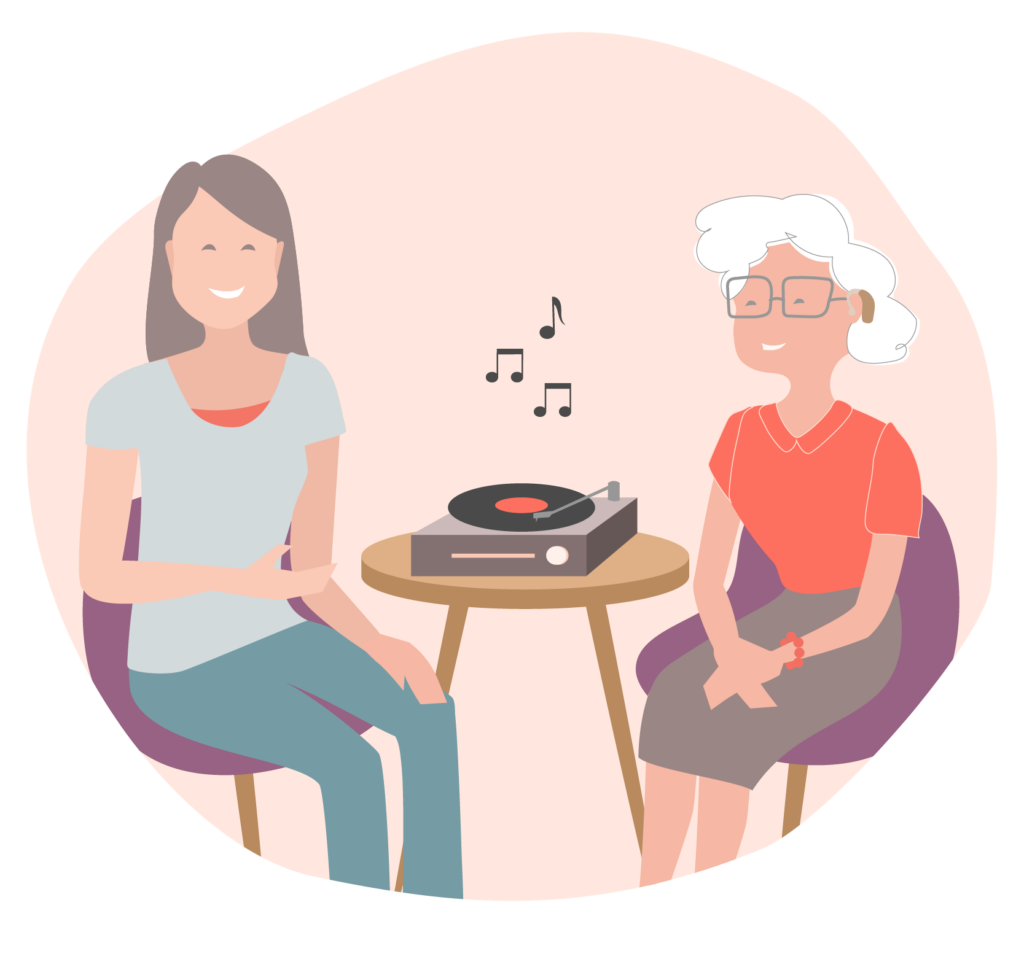
- Keep Listening to Music: Many modern hearing aids include a dedicated music mode. Music can improve spatial awareness, provide emotional connection and enjoyment, and create meaningful shared experiences – often with less listening strain than fast-paced conversation.
The Bigger Picture: Communication Is Connection
At its core, National Speech-Language-Hearing Month is about something simple but powerful: staying connected. Whether it’s hearing a loved one’s voice clearly, participating in conversations, or maintaining independence as we age, communication shapes how we experience life. The earlier you pay attention to it, the more options you have.
HearUSA locations in the Nashville area provide complimentary screenings, and AARP members can access free hearing exams through UnitedHealthcare Hearing. Learn more at https://www.hearusa.com/ and schedule a hearing test or encourage a loved one to get evaluated.
Manana is here to provide transportation to your hearing test or hearing aid fitting; or even just to practice listening and speaking. Call or text to get started: (615) 212-9609.