As the days grow longer and temperatures rise, summer offers a welcome opportunity to spend more time outdoors. From neighborhood walks and gardening to family cookouts and outdoor concerts, warmer weather often brings renewed energy and connection.
This year, the summer solstice, the longest day of the year in the Northern Hemisphere, arrives on June 21, marking the official start of summer. For many people, the season represents joy, sunshine, and quality time with loved ones.
June is also UV Safety Month, an important reminder that enjoying the outdoors and protecting our health should go hand in hand.
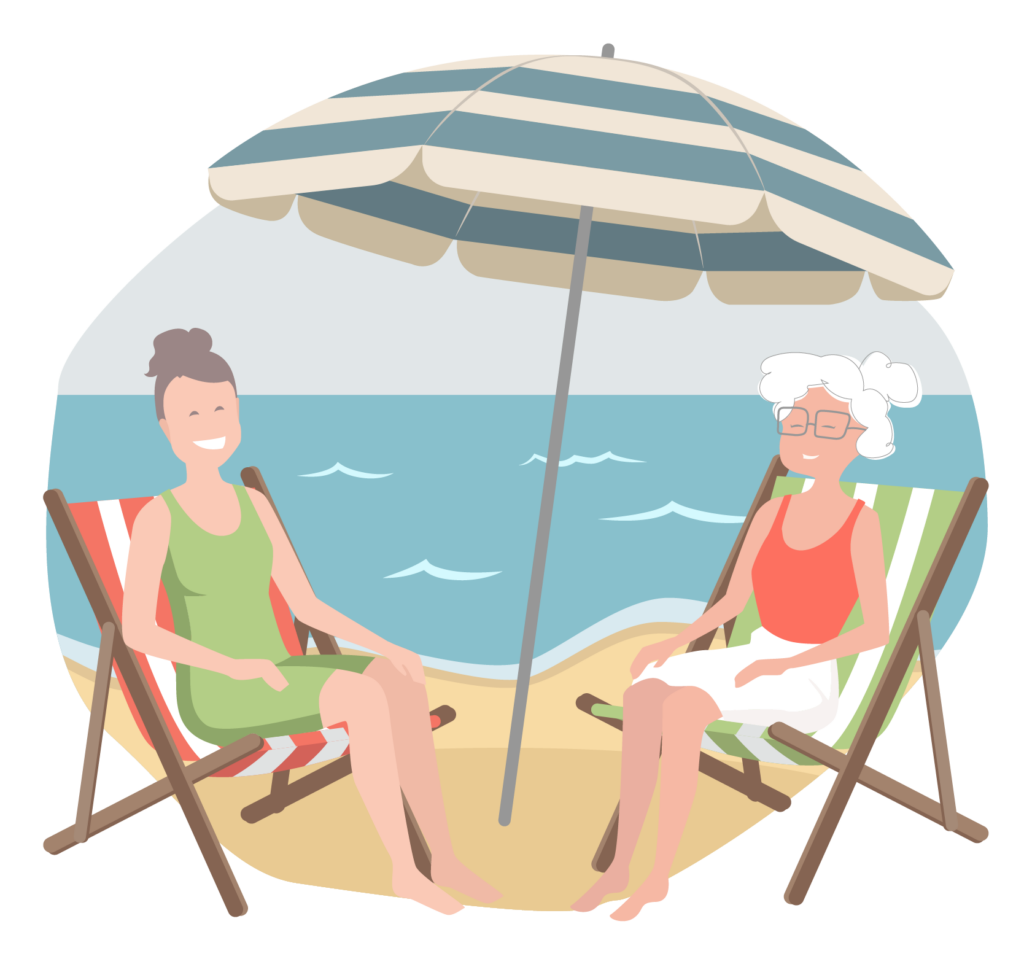
For older adults especially, summer heat and sun exposure can pose unique risks. Aging skin becomes thinner and more sensitive over time, and older adults are generally more vulnerable to dehydration, heat exhaustion, and sun damage.
The good news? Staying safe in the summer does not mean staying indoors. With a few thoughtful habits, seniors and their families can continue enjoying the season comfortably and confidently.
What is UV Safety Month?
UV Safety Month is observed each June to raise awareness about the dangers of ultraviolet (UV) radiation and encourage healthy sun protection habits. According to the Skin Cancer Foundation:
- 1 in 5 Americans will develop skin cancer by the age of 70.
- Having 5 or more sunburns doubles your risk for melanoma.
- When detected early, the 5-year survival rate for melanoma is 99 percen
Additionally the Centers for Disease Control and Prevention (CDC) states that skin cancer is the most common cancer in the United States, and most skin cancers are caused by too much exposure to UV rays from the sun or indoor tanning devices. UV rays can damage the skin year-round, even on cloudy days, and exposure tends to be strongest between 10 a.m. and 4 p.m.
For older adults, years of cumulative sun exposure can increase the risk of:
- Skin cancer
- Sunburn
- Premature skin aging
- Cataracts and eye damage
- Heat-related illness
- Dehydration
At the same time, spending time outdoors has important benefits for senior health, including improved mood, gentle movement, social connection, and better overall wellbeing. The goal is not to avoid the sun entirely – it’s to enjoy it safely.
Why Older Adults Are More Sensitive to Heat and Sun Exposure
As we age, the body becomes less efficient at regulating temperature and retaining hydration. Certain medications commonly prescribed to older adults can also increase sensitivity to heat and sunlight. This means seniors may become overheated or dehydrated more quickly than younger adults, sometimes without realizing it immediately.
Family members and caregivers should be especially mindful during periods of high temperatures or prolonged outdoor activity. Warning signs of heat-related illness may include:
- Dizziness
- Fatigue
- Headache
- Confusion
- Rapid heartbeat
- Muscle cramps
- Nausea
Recognizing symptoms early and encouraging rest, hydration, and shade can make a significant difference.
Senior-Friendly Summer Activities
Summer can be an especially meaningful time for multigenerational connection, whether that means sharing meals outdoors, taking scenic walks, or attending local events together. Spending time outside can also support physical health, emotional wellbeing, and social connection for older adults.
Not every summer activity needs to be strenuous to be fulfilling. Many low-impact activities can help seniors stay active, engaged, and connected while enjoying the season. Some ideas include:
- Morning walks in shaded parks
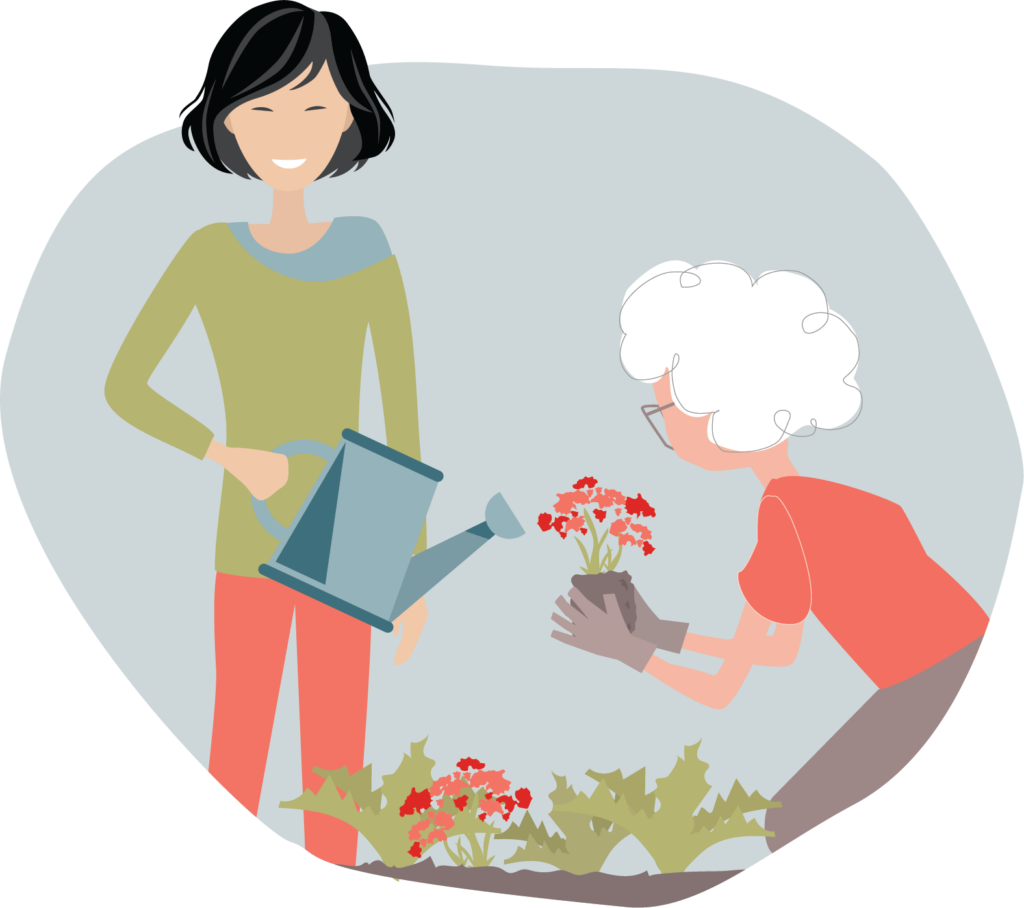
- Gardening or container planting
- Visiting local farmers markets
- Outdoor concerts during cooler evening hours
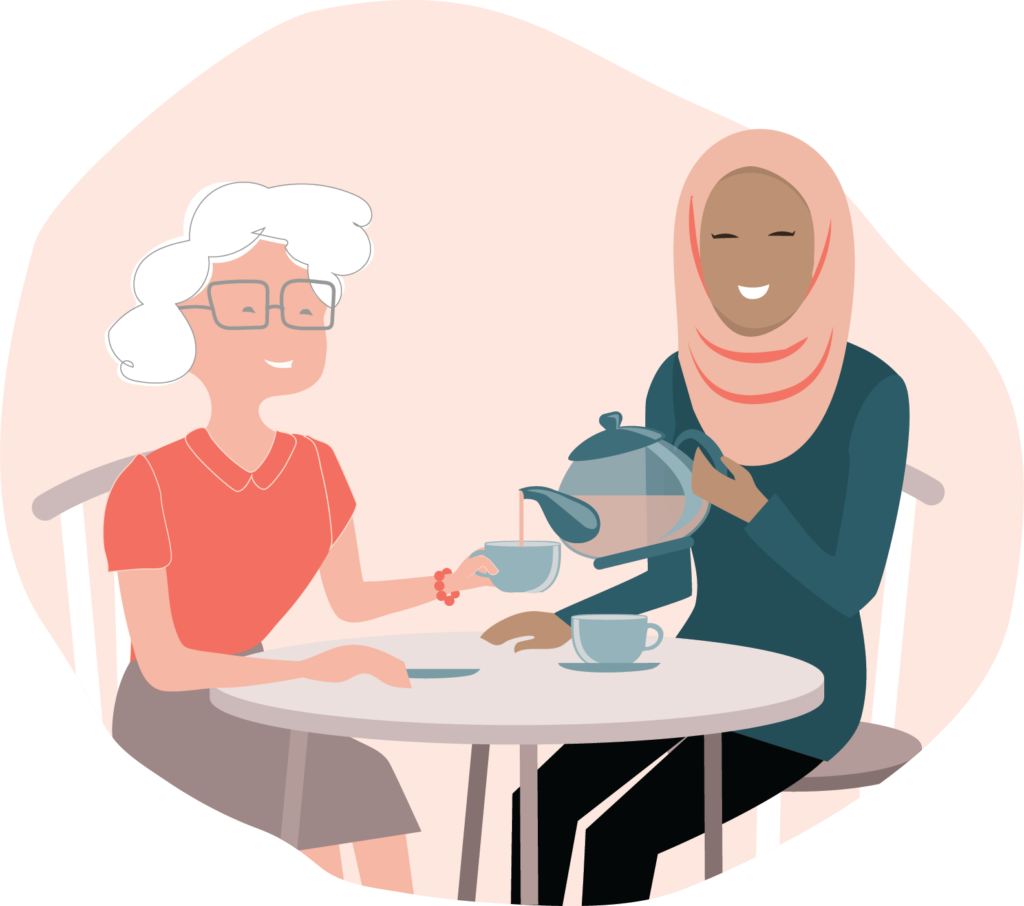
- Porch coffee or sunset gatherings
- Scenic drives with picnic stops
- Birdwatching
- Gentle outdoor yoga or tai chi
- Visiting botanical gardens
- Family cookouts
- Outdoor art festivals
The best summer activities are often the simplest ones- those that encourage movement, connection, and time spent enjoying the season with family and friends.
Summer Sun Safety Tips for Seniors
Wear Broad-Spectrum Sunscreen Daily: Choose a broad-spectrum sunscreen with SPF 30 or higher and apply it to exposed skin before going outside. Don’t forget areas like the ears, neck, hands, and scalp. Sunscreen should be reapplied every two hours, especially after sweating or swimming.
Stay Hydrated Throughout the Day: Hydration becomes increasingly important during the summer months. Older adults may not always feel thirsty even when their bodies need fluids. Keeping reusable water bottles nearby — in the car, by the front door, or on the porch — can help make hydration easier throughout the day.
Plan Outdoor Activities Around Peak Heat Hours: When possible, try scheduling walks, gardening, or errands earlier in the morning or later in the evening when UV exposure and temperatures are lower. Midday activities can still be enjoyable with proper shade and rest breaks.
Choose Lightweight Protective Clothing: Breathable long sleeves, lightweight fabrics, wide-brim hats, and UV-protective sunglasses can help reduce sun exposure while keeping seniors comfortable outdoors. Eye protection is especially important, as UV rays can contribute to cataracts and long-term vision damage.
Take Breaks Indoors When Needed: Even active older adults benefit from cooling off periodically in air-conditioned spaces during especially hot days. Short breaks indoors can help prevent overheating while still allowing people to enjoy outdoor activities safely.

Help Older Loved Ones Stay Safe This Summer
Families and caregivers play an important role in helping older adults navigate summer heat safely. Simple ways to support loved ones include:
- Checking in during heat waves
- Encouraging hydration
- Helping apply sunscreen if needed
- Planning shaded or indoor activities during extreme heat
- Watching for signs of dehydration or fatigue
- Offering transportation to appointments or errands during high temperatures
Often, small acts of support can help older adults maintain independence while staying healthy and comfortable throughout the season.
A Healthy Summer Is About Balance
Summer should feel joyful. For older adults, maintaining quality of life often means continuing to participate in favorite routines, traditions, and outdoor activities. Practicing sun safety is not about avoiding the season- it’s about enjoying it more comfortably and sustainably.
As we welcome the summer solstice and the warmer months ahead, UV Safety Month serves as a helpful reminder that small habits can make a meaningful difference over time. A little sunscreen, shade, hydration, and planning can go a long way toward helping seniors and their families enjoy a safe, active, and connected summer.
Manana is here to provide transportation to summer activities or pick up some sunscreen and set up your umbrella. Call or text to get started: (615) 212-9609.